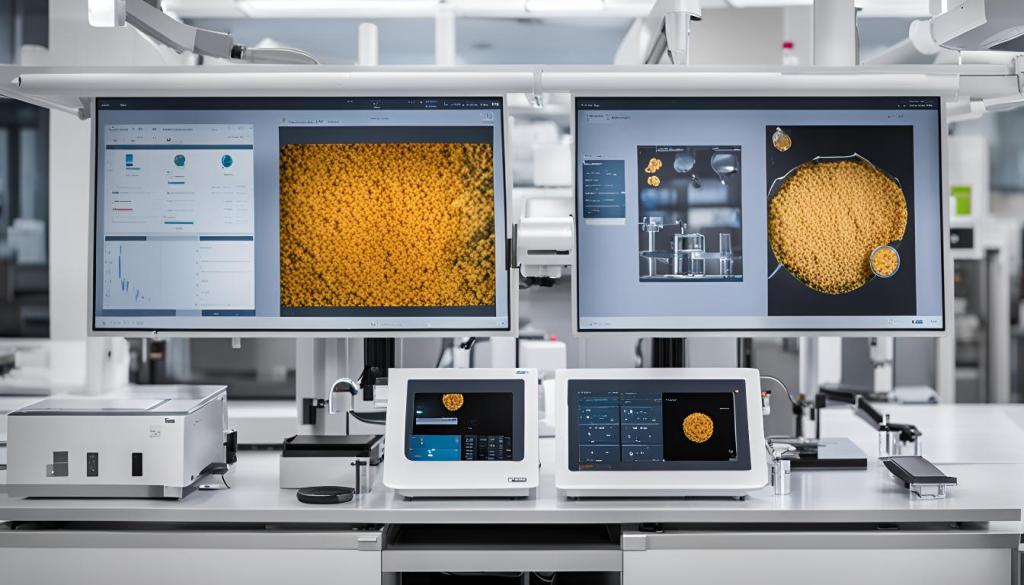
In the rapidly advancing field of medical technology, artificial intelligence (AI) is no longer a distant frontier—it’s here, and it’s transforming healthcare. The integration of AI into medical devices has opened doors to faster diagnoses, personalized treatments, and efficient workflows. With the FDA approving an increasing number of AI-powered devices, let’s explore this burgeoning field, highlight current trends, and discuss opportunities yet to be fully realized.
What Are AI-Driven Medical Devices?
AI-powered medical devices use machine learning algorithms and other AI techniques to assist healthcare professionals in tasks such as diagnosing diseases, monitoring patient health, and guiding treatments. These devices often process large datasets in real time, providing insights that would otherwise take much longer to uncover manually.
The FDA has been a key player in bringing these innovations to market, setting rigorous standards for their safety and efficacy. Since the first AI-based device was approved in 2018 (an autonomous diagnostic tool for diabetic retinopathy), the agency has continued to greenlight a growing number of devices each year.
Current FDA-Approved AI Medical Devices
AI medical devices fall into several categories, based on their primary functions:
- Diagnostics and Imaging
These devices analyze imaging data such as X-rays, MRIs, and CT scans to detect abnormalities like tumors, fractures, or heart conditions. Examples include:- AI tools for detecting breast cancer in mammograms.
- Platforms identifying strokes in CT images within minutes.
- Monitoring and Predictive Analytics
Devices in this category help clinicians monitor patients and predict potential health risks. For instance:- Wearables analyzing heart rhythms to detect arrhythmias.
- ICU monitors predicting sepsis hours before symptoms appear.
- Surgical Assistance
AI-enabled surgical robots and systems enhance precision during procedures. These systems use real-time imaging and algorithms to guide surgeons with unparalleled accuracy. - Therapeutics and Treatment Guidance
These devices recommend personalized treatments or adjust therapies based on patient data. For example:- AI-driven insulin pumps that adapt dosing in real time.
How Many Devices Are Approved Annually?
The FDA’s Digital Health Center of Excellence has reported a steady rise in AI-based device submissions. In 2019, there were approximately 30 AI-related medical device approvals. By 2022, this number surpassed 90—a threefold increase in just a few years. This trend reflects growing industry interest in AI technologies and the expanding capabilities of these tools.
Overall, more than 500 FDA-cleared AI medical devices have been approved to date, with a significant portion focused on imaging and diagnostics. The growth rate shows no signs of slowing down, as advancements in machine learning and regulatory pathways become more streamlined.
Key Areas of Innovation
Most AI devices approved by the FDA focus on the following areas:
- Radiology and Imaging
By far the most saturated field, AI in radiology is revolutionizing how medical images are interpreted. Technologies can flag abnormalities, assist in early detection, and prioritize cases requiring urgent care. - Cardiology
AI is increasingly used to analyze ECGs, monitor cardiac rhythms, and predict heart-related complications. - Diabetes Management
Devices like continuous glucose monitors (CGMs) and insulin pumps leverage AI to optimize glucose control, improving quality of life for millions of patients. - Neurology
Tools for stroke detection, Alzheimer’s progression monitoring, and seizure prediction are growing rapidly.
Untapped Areas in AI MedTech
Despite the impressive progress, there are significant areas of healthcare where AI adoption remains nascent:
- Mental Health
While there are apps and algorithms for mental health monitoring, few AI-based medical devices are FDA-approved for conditions like depression, anxiety, or PTSD. - Rare Diseases
AI could be a game-changer in diagnosing and treating rare diseases, where symptoms are often overlooked or misdiagnosed due to lack of specialized knowledge. - Primary Care Support
AI tools for primary care physicians—such as real-time decision support systems—are still underexplored compared to more specialized fields like radiology. - Rehabilitation and Physical Therapy
Devices that use AI to guide physical therapy exercises, track progress, and predict recovery timelines could offer significant value to patients and providers.
What Does the Future Hold?
AI in medtech is expanding into uncharted territories, supported by advancements in machine learning, cloud computing, and wearable sensors. We expect to see a surge in submissions for FDA approval as companies develop solutions for unmet medical needs. Areas like personalized medicine, real-time health monitoring, and patient-specific rehabilitation programs are likely to dominate the next wave of innovation.
The FDA has also introduced frameworks like the Software as a Medical Device (SaMD) model to streamline the regulatory process for AI-driven devices, fostering more innovation and reducing barriers to entry for developers.
Conclusion
The integration of AI into medical devices is reshaping the healthcare landscape, enabling smarter, faster, and more accurate interventions. While much progress has been made in imaging, diagnostics, and cardiology, the potential to expand into underserved areas remains immense. For medtech innovators, this is a golden opportunity to bring life-changing solutions to market.
As the field continues to grow, collaboration between regulators, developers, and healthcare providers will be crucial in ensuring these technologies are safe, effective, and accessible. AI in medtech is just getting started—stay tuned for what’s next.


 SE.ai
SE.ai 